Horse riding in Kyrgyzstan: a beginner's guide to riding with nomads
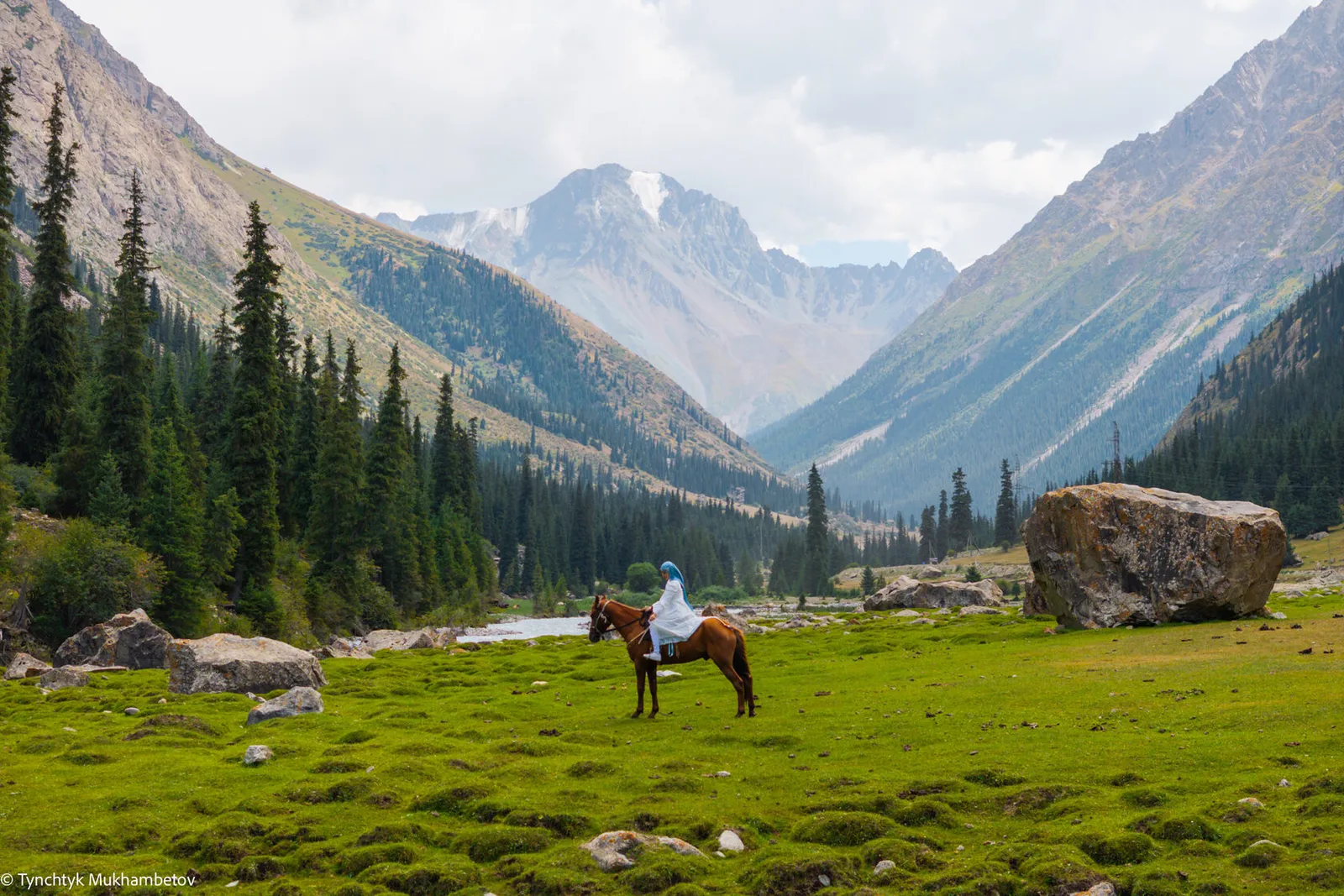
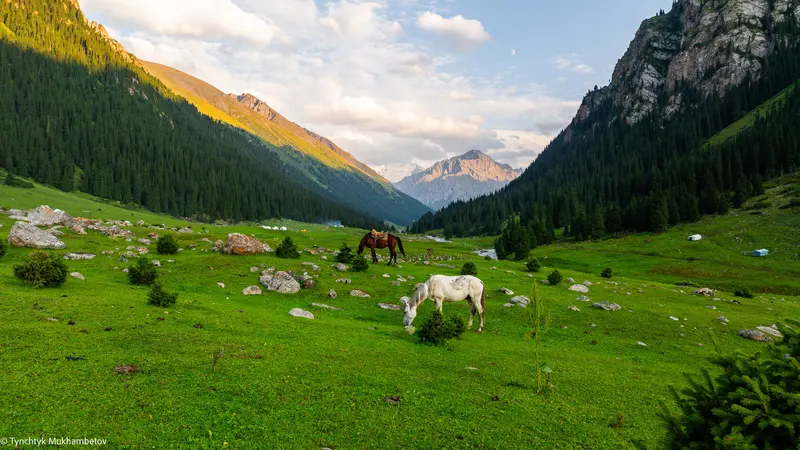
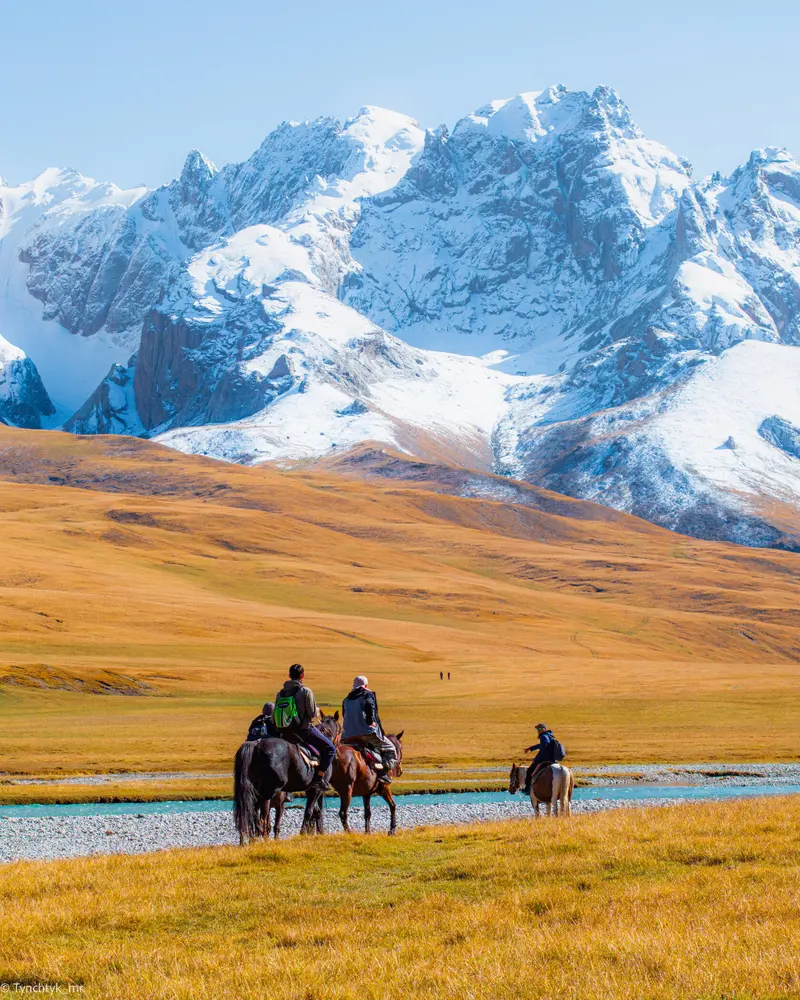
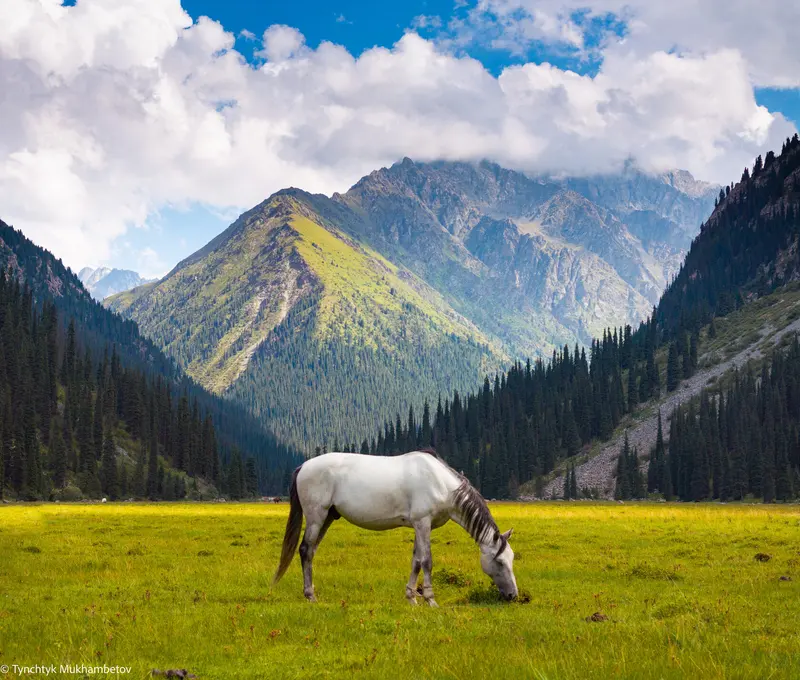
In Kyrgyzstan the horse is not a tourist attraction – it is a way of life. Shepherds still move herds across the mountains on horseback, children learn to ride before they can ride a bicycle, and many places in the mountains are easiest to reach in the saddle. That is what makes a horse trek here so special: you travel the way people have travelled for centuries.
Do I need riding experience?
No, not for most routes. Kyrgyz horses are small, sure-footed and calm, used to mountain paths and to carrying riders of all levels. A local horseman leads the group, and on the first day you get a short introduction: how to sit, how to steer and how to stop. Beginners usually feel comfortable after a few hours.
That said, riding for 4–6 hours a day is tiring if you are not used to it. If you have never ridden before, start with a short trek of 2–3 days. Experienced riders can choose longer routes over several passes.
Popular horse riding routes
Around Song-Kul lake (Naryn region). The classic: riding from the village of Kyzart over the pastures and the Jalgyz-Karagai pass down to Song-Kul lake, staying in yurt camps. Try the 3-day trek from Kyzart to Song-Kul or the longer 5-day Song-Kul tour.
Above Bokonbaevo (south shore of Issyk-Kul). The Terskey Ala-Too foothills above Bokonbaevo offer a network of valleys, jailoo and alpine lakes with views of Issyk-Kul. Routes range from the 2-day Panorama tour and a 3-day short trek to the 7-day Two Pass tour for confident riders.
A typical day on a horse trek
After breakfast in camp, the horsemen saddle the horses while you pack. You ride for 2–3 hours, stop for a picnic lunch by a river or on a pasture, then continue for another few hours to the next camp. Pack horses or a support vehicle carry the luggage. In the evening there is time to walk, help with the horses, drink tea with your hosts and watch the sunset over the mountains.
Where you sleep
Most nights are spent in yurt camps on the summer pastures – warm felt yurts with beds or thick mattresses and blankets, simple shared facilities and home-cooked meals. On remote routes some nights may be in tents. We always try to use the best camps available along the way.
Best season
From late May to September in the Issyk-Kul foothills, and from June to early September around Song-Kul, where snow can fall at any time outside summer. July and August are the most popular months.
What to pack
- Long trousers that do not rub (leggings or riding trousers work well), no jeans.
- Closed shoes or boots with a small heel – no sandals.
- Rain jacket, warm fleece and hat for cold mornings.
- Sunscreen, sunglasses and a buff or scarf against wind and dust.
- A small backpack for the day; the rest travels separately.
Safety
Horsemen always ride with the group and choose a pace suitable for the weakest rider. Helmets can be provided on request – tell us when you book. Please let us know your riding level and weight in advance so that we can choose the right horse for you.
Ready to try? See all our horse riding tours or send us a question.